


Pests can quickly turn from a minor nuisance to a major problem if left unchecked. Recognizing the signs that you need professional pest control services is essential for maintaining a safe and healthy home. Below, we outline key indicators that suggest it’s time to call in pest control experts.
Unusual Noises or Odors
Certain pests, such as rodents, are nocturnal and become active when your home is quiet. Hearing scratching, scurrying, or gnawing noises in walls, ceilings, or floors could indicate an infestation. Additionally, foul or musky odors could signify the presence of pests like rodents or cockroaches.
Signs to watch for:
– Scratching sounds coming from walls at night
– Unexplained squeaks or chirping noises
– Persistent foul smells in specific areas of your home
Structural Damage Around Your Home
Pests often leave behind physical evidence of their destructive habits. You might notice damage to furniture, floors, or even your home’s foundation caused by termites, rodents, or other pests.
Common types of damage include:
– Chewed electrical wires (fire hazard caused by rodents)
– Small holes in wooden furniture or walls (a sign of termite activity)
– Gnaw marks on baseboards and doors
If you observe any of these signs, professional intervention is recommended to prevent further damage. A licensed pest control expert can assess the scope of the issue and provide effective treatment.
Pest Sightings During the Day
Spotting a pest during daylight hours can be a red flag for a larger infestation. Most household pests prefer dark and hidden areas; seeing them during the day may mean their population has grown significantly.
Common signs include:
– Seeing cockroaches scurrying about in kitchen areas during the day
– Finding ants trailing along floors and countertops despite regular cleaning
Droppings and Other Evidence Left Behind
Pest droppings are one of the most obvious indicators that you have an infestation. Rodents leave small pellet-shaped feces around food storage areas, while cockroaches shed skin and excrete dark droppings resembling coffee grounds.
| Pest | Appearance of Droppings | Location Found |
| Rodents | Small black pellets | Near food storage/shelving |
| Cockroaches | Tiny black/brown specks | Near kitchen appliances/baseboards |
| Termites | Resemble sawdust or wood shavings | Near wooden structures |
Cleaning up these droppings without addressing their source will only provide temporary relief from the problem.
Health Concerns Linked to Pests
Some pests are more than just annoying; they pose health risks for your family. Cockroaches can trigger asthma attacks with their shed skin particles and feces. Mosquitoes carry diseases such as West Nile virus and dengue fever. Additionally, rodents can spread harmful bacteria through contaminated food and surfaces.
Potential health impacts include: – Allergic reactions (caused by cockroach allergens) – Skin irritation from bed bug bites – Respiratory issues due to mold growth associated with certain infestations
When It’s Time To Call A Professional
If you’ve tried DIY methods like traps and sprays but still notice recurring problems—or if you’re dealing with extensive damage—professional pest control services are often necessary. Certified exterminators not only eliminate current infestations but also help prevent future outbreaks through monitoring systems and long-term solutions tailored specifically for your home.
Identifying Rodent Droppings and Scratching Noises: When to Seek Kendall FL Pest Control
Rodents are among the most common household pests, and their presence can pose significant health risks while also causing damage to your home. Identifying the signs of a rodent infestation early is essential to prevent the problem from escalating. Let’s explore how rodent droppings and scratching noises can indicate that it’s time to seek professional pest control services.
How to Handle Pest Removal in Kendall FL and Identify Rodent Droppings
Rodent droppings are one of the most obvious signs of an infestation. These small, pellet-like waste materials are usually found in areas where rodents are active, such as kitchens, pantries, basements, or attics.
- Appearance: Rodent droppings are typically dark brown or black in color and have a tapered shape at one or both ends.
- Size: While mouse droppings are smaller (around 3–6 millimeters long), rat droppings are larger (around 12–20 millimeters long).
- Location: Look for droppings near food storage areas, along walls, under sinks, or in drawers.
Rodent feces not only signal an infestation but may also spread diseases such as hantavirus, salmonella, and leptospirosis. If you spot fresh droppings regularly even after cleaning up previous ones, it’s a clear sign that rodents are active in your home.
Effective Solutions for Rodent Issues from a Pest Control Company Kendall FL
Hearing scratching or scurrying sounds within walls or ceilings is another telltale sign of a rodent issue. These sounds typically occur at night when rodents like mice and rats are most active.
- Timing: Scratching noises heard during late hours suggest nocturnal activity by pests nesting within your home.
- Location: Sounds coming from inside walls or attics often indicate nesting areas where rodents feel secure.
- Patterns: Persistent noise accompanied by occasional thuds may suggest movement between nesting spots or access points.
If left untreated, these sounds often indicate breeding activity within your home structure—a situation that can escalate quickly.
The Importance of Professional Pest Control Services Kendall FL
While some homeowners attempt DIY measures to address rodent infestations initially—such as traps or poison—these solutions often provide only short-term relief.
- Accurate Identification: Experts can identify the extent of the infestation and locate entry points.
- Safe Removal Techniques: Professional exterminators use effective methods that prioritize safety for humans and pets.
- Prevention Strategies: Beyond removal, professionals implement preventive measures such as sealing gaps and installing deterrents to reduce future risks.
| DIY vs Professional Pest Control | DIY Methods | Professional Services |
| Effectiveness | Limited effectiveness | Long-term solutions |
| Risk Level | Potential harm if mishandled | Safely handled by experts |
| Cost | Lower upfront cost | Higher upfront investment but cost-effective over time |
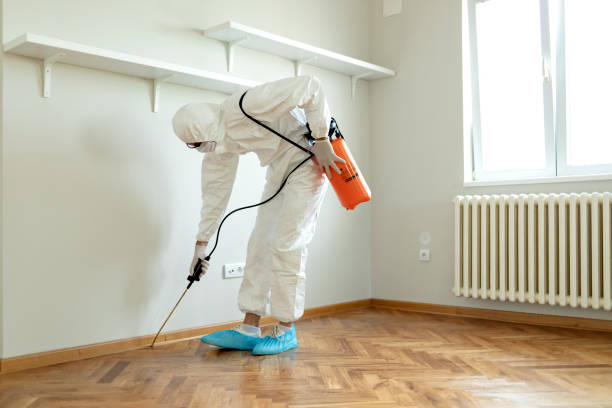
Steps to Take If You Notice These Signs
If you notice rodent droppings or hear scratching noises in your living spaces: 1. Inspect your home for any visible entry points such as cracks around windows or holes near pipes. 2. Clean up any accessible food sources securely by storing items in airtight containers. 3. Contact a licensed pest control service immediately for an inspection.
By addressing these warning signs promptly with professional assistance, you can protect your home from further damage while maintaining a safe living environment for yourself and your family.
Identifying the Hidden Signs of Termite Infestation in Your Walls
Below are some key indicators that termites may be silently damaging your home.
Subtle Physical Damage to Walls
One of the most common signs of a termite infestation is subtle yet noticeable damage to walls.
- Hollow-sounding wood: Tap on wooden walls or baseboards; if they sound hollow, termites may have eaten through the interior.
- Cracked or bubbling paint: Termites can create moisture behind walls, causing paint to bubble or crack.
- Maze-like patterns on wood surfaces: These patterns indicate termite tunneling.
Mud Tubes
- Along walls and foundation cracks
- On drywall, wooden beams, or other structural components
- Near baseboards or floorboards
Mud tubes are an unmistakable sign of termite activity and should never be ignored.
Strange Noises Within Walls
Termites produce faint but distinct noises within walls.
- Clicking noises: Worker termites bang their heads against tunnel walls as a warning signal to the colony.
- Rustling sounds: The movement of termites inside wooden structures may create a rustling sound.
If you hear unusual noises coming from your walls, it could indicate an active infestation.
Presence of Termite Droppings (Frass)
Termites often leave droppings called frass near infested areas.
- Door frames and window sills
- Cracks in drywall
- Baseboards
These droppings are especially common with drywood termites.
Table: Comparison Between Termite Frass and Common Household Debris
| Characteristic | Termite Frass | Common Debris |
| Appearance | Small, pellet-shaped, wood-colored | Irregular shapes or dust |
| Location | Near wooden structures | Random or generalized areas |
| Texture | Dry and granular | May vary (flaky, soft) |
Doors and Windows Becoming Difficult to Operate
When termites infest areas surrounding doors or windows, they can cause warping due to excess moisture in the wood.
- Doors feel tight or jammed when opening/closing.
- Windows stick even without obvious physical damage.
This warping is often an indirect result of prolonged termite activity weakening nearby structures.
Winged Termites (Swarmers)
Winged termites, also known as swarmers, are reproductive members of a colony that emerge during specific seasons.
- Discarded wings near windowsills or doorways
- Swarms near light sources
This indicates an established termite colony nearby that could soon infiltrate your home further.
Identifying these hidden warning signs early on is crucial for preventing long-term damage caused by termites. Regular inspections by pest control professionals can provide additional assurance that your home remains protected from these destructive pests.
Understanding the Presence of Spider Webs and Egg Sacs in Your Living Spaces
The presence of spider webs and egg sacs within your home can serve as a clear indicator of a potential spider infestation. While many spiders are harmless and even beneficial by controlling other pests, their growing numbers can become problematic if left unaddressed. Understanding why spider webs and egg sacs appear in your home, as well as the steps you should take to address them, is vital for maintaining a comfortable and pest-free living environment.
Why Spider Webs Appear in Your Home
Spiders typically spin webs for two primary purposes:
– Hunting Prey: Webs act as traps for small insects like flies, gnats, or mosquitoes.
– Shelter: Certain species use webs to create safe areas where they can rest or hide from predators.
If you’re frequently finding webs in corners of your ceilings, near windows, or in less-trafficked areas (like basements or attics), it could indicate that there is an abundance of insects inside your home. Spiders thrive in environments where they have easy access to food sources.
What Do Egg Sacs Represent?
Spider egg sacs are small silk pouches that contain dozens—or even hundreds—of spider eggs. Finding these sacs around your home is more concerning than spotting standard webs because it suggests reproduction is occurring indoors. After hatching, young spiders will spread throughout the area, potentially leading to a larger infestation.
Common locations for egg sacs include: – Window sills
– Upper corners of rooms
– Underneath furniture
– Garage spaces or sheds
By the time you notice multiple egg sacs, you may already be dealing with a significant number of spiders occupying hidden areas in your home.
Potential Risks Associated with Spider Infestations
Although most household spiders pose little to no threat to humans, certain species can be dangerous due to their venomous bites (e. g. , black widow or brown recluse spiders). Risks associated with infestations include: 1.Health Concerns: Bites from venomous species can cause swelling, pain, or require medical attention. 2.Emotional Distress: For individuals with arachnophobia (fear of spiders), consistent sightings may lead to chronic stress or discomfort. 3.Property Damage: Excessive webbing can accumulate over time and affect cleanliness or aesthetics within the home.
Steps for Managing Spider Activity
- Reduce indoor insect activity by sealing cracks around windows/doors.
- Regularly clean up crumbs and trash to limit pests that attract spiders.
- Store items in sealed plastic bins instead of cardboard boxes.
- Remove unnecessary clutter from attics, basements, or under furniture where spiders tend to hide.
- Install tight-fitting window screens.
- Apply caulking around gaps and entry points into your home.
- Use a vacuum cleaner with a hose extension to remove visible webs and sacs immediately.
- Dispose of vacuum contents outside in sealed garbage bags after cleanup.
- Consider Professional Pest Control Services:
When infestations persist despite DIY efforts—or if you suspect venomous species—it’s best to consult licensed pest control experts who can provide targeted treatments.
| Steps for Addressing Spider Infestations | Recommended Actions |
| Inspecting Entry Points | Seal cracks/gaps |
| Cleaning Regularly | Vacuum/remove debris |
| Treating Serious Infestations | Contact professionals |
By taking proactive measures against spider infestations early on—when noticing initial signs such as webs or egg sacs—you’ll safeguard both your property and peace of mind effectively.

Noticing Increased Cockroach Activity at Night Could Indicate a Serious Infestation
Cockroaches are nocturnal pests that thrive in dark, damp, and warm environments. While spotting one or two cockroaches during the day might not immediately set off alarms, noticing increased activity at night can be a critical indicator of a severe infestation. These pests not only pose health risks but can also damage property. Understanding how to identify and address this issue is vital for maintaining a safe and hygienic home.
Why Cockroach Activity Escalates at Night
Cockroaches are primarily active after dark when they forage for food and water. Their preference for nighttime activity often keeps them hidden during the day, making it difficult to detect an infestation early on. If you observe heightened activity during nighttime hours, it may be a sign that their population has grown too large for their hiding spaces.
Key reasons for their night behavior include: – Avoidance of predators: Darkness provides cover from potential threats.Search for sustenance: Crumbs, dirty dishes, and pet food left out overnight attract these pests.Breeding habits: Increased movement often accompanies rapid population growth.
Signs of a Serious Infestation
If you’re noticing more cockroaches scurrying around after sunset, examine your home for additional signs of an infestation.
- Cockroaches leave behind small black or brown droppings that resemble coffee grounds.
- A musty odor may develop as the infestation worsens due to pheromones emitted by cockroaches.
- Look for oval-shaped egg casings in secluded areas such as under furniture or in kitchen cabinets.
- In areas with high humidity, cockroaches may leave streaky smear marks on walls or surfaces where they crawl frequently.
- While primarily nocturnal, seeing cockroaches during the day might indicate overcrowded hiding spaces due to high population levels.
Risks Posed by Cockroach Infestations
| Risk Type | Details |
| Allergies | Cockroach saliva, droppings, and shed skin can trigger allergic reactions or asthma attacks in sensitive individuals. |
| Disease Transmission | They carry bacteria like E. coli and Salmonella on their bodies, which can contaminate food surfaces. |
| Property Damage | They chew through packaging materials and books while soiling surfaces with their waste. |
Steps to Address Increased Cockroach Activity
- Store food in airtight containers.
- Clean crumbs and spills immediately.
- Avoid leaving dirty dishes overnight.
- Use caulk to seal cracks around windows, doors, pipes, and walls.
- Repair damaged screens or vents that allow cockroach entry.
- Fix leaking pipes or faucets promptly.
- Keep sinks dry overnight as standing water attracts roaches.
- Consider Professional Pest Control Services: When DIY measures fail to resolve the issue effectively or when the scope of the problem is beyond control, professional pest control services provide thorough inspections and targeted treatments tailored specifically to your needs.
By tackling these signs early on with proactive measures—or seeking professional help if necessary—you can significantly reduce the risk of serious infestations compromising your household’s well-being.
Pest Damage to Food Packaging or Furniture and What It Means for Your Home
Pest infestations often leave behind a trail of destruction, and two common areas of concern are food packaging and furniture. Identifying these signs early can help mitigate damage and prevent further complications. This article explores how pest damage manifests in these areas, its implications for your home, and what steps you should take if you encounter the problem.
Recognizing Pest Damage in Food Packaging
Food packaging is one of the primary targets for pests such as rodents, moths, ants, and beetles. Damaged or tampered food packaging can not only cause financial loss but also lead to health risks if contaminated food is consumed.
- Torn or Chewed Packaging: Rodents like rats and mice have sharp teeth capable of gnawing through cardboard boxes, plastic bags, or even thin metal containers.
- Holes in Food Bags: Pests such as pantry moths can drill small holes into rice or flour bags to lay their eggs.
- Droppings Near Food Storage Areas: Rodent droppings or frass (insect feces) found near infested food items indicate contamination.
- Grease Marks: Rodents often leave greasy trails on food shelves due to their oily fur rubbing against surfaces.
- Presence of Live Insects or Larvae: Pantry pests like beetles and weevils may be seen crawling inside packaging or stored grains.
Identifying Pest Damage in Furniture
Pests do not limit their destruction to food storage; furniture is another common victim. Termites, carpenter ants, beetles, and even rodents can cause significant damage to woodwork and upholstery.
- Hollow-Sounding Wood: Termites eat wood from the inside out, leaving wooden furniture hollow when tapped.
- Small Holes or Tunnels: These are signs that wood-boring insects like powderpost beetles have infested your wooden furniture.
- Frayed Upholstery or Gnawed Edges: Rodents often chew on fabric-covered furniture for nesting materials.
- Piles of Sawdust (Frass): This is another indication of carpenter ants or termites damaging wooden structures in your home.
| Pest Type | Signs in Furniture | Implications |
| Termites | Hollow-sounding wood | Structural instability |
| Carpenter Ants | Small sawdust piles | Gradual weakening of wooden pieces |
| Rodents | Frayed fabric/chewed edges | Unsightly appearance/damaged decor |
| Powderpost Beetles | Tiny exit holes/tunnels | Long-term wood degradation |
Implications for Your Home
Damage caused by pests goes beyond aesthetic issues.
- Health Risks: Contaminated food poses risks like salmonella poisoning or allergic reactions from insect fragments.
- Structural Integrity Issues: Wooden beams weakened by termites could compromise the safety of your home.
- Increased Costs: Replacing damaged items such as couches, chairs, cabinets, or entire pantries adds up quickly.
Steps to Address the Issue
- Inspect all potential infestation sites—pantries, cupboards, basements—and discard contaminated items immediately.
- Deep-clean affected areas using disinfectants to remove residues left behind by pests such as droppings or grease marks.
- Seal cracks around doors/windows while storing foods in airtight containers made from glass/metal instead of plastic/cardboard which are easier for pests to penetrate.
Lastly but importantly—consult professional pest control services without delay if DIY efforts fail at keeping recurring infestations under control effectively ensuring minimal long-term disruption/damage within homespaces
When DIY Pest Control Fails: Why Professional Help is the Best Solution
Homeowners often attempt to tackle pest infestations on their own with DIY methods, but there are times when these efforts fall short. Understanding when it’s time to call in professional pest control services can save you time, money, and stress while ensuring your home remains safe and pest-free.
Limitations of DIY Pest Control
While some mild infestations can be managed with store-bought sprays or traps, DIY solutions come with limitations that may prevent complete eradication of pests.
- Lack of Expertise: Homeowners may struggle to correctly identify the type of pest or the extent of the infestation.
- Ineffective Techniques: Without proper knowledge, DIY treatments may only target visible pests, leaving nests or eggs untouched.
- Health Risks: Handling chemical pesticides without training can pose health risks for residents and pets.
- Temporary Results: Many over-the-counter solutions provide short-term relief rather than addressing long-term prevention.
Signs Your DIY Efforts Are Not Working
- Pests Keep Reappearing
Despite your best efforts, insects or rodents continue to invade your space. This could indicate that their breeding sites have not been addressed. - Worsening Infestation
If the number of pests seems to increase rather than decrease after treatment, it’s a clear sign that your approach isn’t effective. - Structural or Furniture Damage
Continued chewed wiring, holes in furniture, or gnawed wood are indicators that pests remain active in your home despite intervention. - Strange Odors or Sounds Persist
Musty smells from rodent droppings, scratching noises from walls, or buzzing sounds could reveal hidden activity beyond what DIY methods can resolve.
Benefits of Hiring a Professional Pest Control Service
| Aspect | Professional Services | DIY Methods |
| Expertise | Specialists identify pest species quickly and understand their behavior patterns. | Limited knowledge about specific pests may lead to incorrect treatment choices. |
| Advanced Equipment | Professionals use specialized tools such as bait traps and thermal imaging for detection and eradication. | Only basic tools like sprays and store-bought traps are available for homeowners. |
| Long-Term Solutions | Proactive treatments designed for prevention help stop future infestations. | Temporary fixes often result in recurring problems. |
| Safety Measures | Licensed technicians follow strict safety protocols during application of chemicals. | Potential exposure risks arise without protective equipment or proper handling practices. |
Choosing a Professional Pest Control Service
- Experience: Look for a company with a proven track record in handling similar infestations.
- Certifications: Verify if the technicians are licensed and certified by relevant authorities.
- Eco-Friendly Options: Ask about green pest control solutions if you want environmentally conscious alternatives.
- Reviews & Recommendations: Check online reviews or ask friends and family for trusted referrals.
By recognizing when DIY efforts aren’t enough and choosing professional services wisely, homeowners can ensure thorough removal of pests while protecting their property from further damage.
- Signs You Need to Call an Exterminator Kendall FL for Your Home or Business
- Signs You Need to Invest in Kendall FL Pest Control Services
- Essential Tips for Effective Kendall FL Pest Control in Maintaining a Healthy Home
- Clear Signs That Indicate You Need Kendall FL Pest Control Services
- Top Signs You Need an Exterminator Kendall FL for Your Home
- Effective Kendall FL Pest Control: Termite Prevention and Management Techniques
- Detecting Termite Infestations: Essential Tips for Kendall FL Pest Control
- Essential Signs You Need an Exterminator Kendall FL for Professional Pest Control Services
- Identifying Signs of Pest Infestation in Restaurants and How Kendall FL Pest Control Can Help