


Pest control plays a vital role in ensuring the safety, health, and comfort of your home. While pests such as rodents, insects, and other unwanted critters may seem like minor inconveniences at first, they can quickly escalate into significant problems that impact both your living environment and well-being.
Why Pest Control Matters
- Health Risks: Pests are carriers of diseases that can affect humans and pets. For instance:
- Rodents can spread hantavirus and leptospirosis.
- Cockroaches are known to trigger allergies and asthma.
- Mosquitoes transmit illnesses like malaria, dengue fever, and the West Nile virus.
- Property Damage: Certain pests can destroy structural elements of your home or household items:
- Termites consume wood and weaken foundations.
- Rodents chew through electrical wiring, increasing fire risks.
- Carpet beetles and moths damage fabrics like carpets, clothing, and furniture.
- Food Contamination: Pests often invade kitchens or pantries in search of food. Their presence can lead to contamination of food supplies with bacteria like salmonella or E. coli.
Benefits of Proactive Pest Control
- Improved Hygiene: Regular pest management minimizes the chances of contamination by eliminating potential breeding grounds for harmful organisms.
- Cost Savings: Preventive measures help avoid expensive damage repairs caused by termites or other destructive pests. Addressing issues early is far more economical than dealing with widespread infestations later.
- Peace of Mind: Knowing your living space is free from disease-carrying pests fosters mental well-being for you and your family.
Steps Toward Effective Pest Management
- Routine Inspections: Schedule regular checks around entry points (doors, windows), basements, attics, kitchens, bathrooms, and any areas prone to moisture accumulation.
- Proper Waste Management: Dispose of garbage promptly in sealed containers to avoid attracting flies or rodents.
- Seal Entry Points: Close gaps around doors/windows using weather stripping or caulking to minimize entry opportunities for pests.
- Maintain Cleanliness: Wipe down counters after meals; vacuum regularly; store dry goods in sealed containers; clean up spills promptly.
| Common Areas Prone to Infestation | Examples of Associated Pests |
| Kitchen | Ants, cockroaches |
| Basement | Spiders, silverfish |
| Attic | Rodents (mice/rats), wasps |
| Garden/Lawn | Mosquitoes, termites |
By recognizing the importance of pest control early on and taking appropriate action steps listed above, homeowners can safeguard their property while promoting healthier living conditions for all occupants.
How to Prevent Pest Infestations with Help from an Exterminator Kendall FL
Pest infestations can become a significant issue for homeowners if not addressed promptly. Understanding what attracts pests and how to mitigate these factors is essential in preventing an infestation. Below, we explore the common causes of pest infestations and provide actionable prevention strategies.
Common Causes of Pest Infestations
- Access to Food Sources
Pests such as rodents, ants, and cockroaches are naturally drawn to food that is left out or improperly stored. This includes crumbs, uncovered leftovers, pet food, and improperly sealed pantry items. - Availability of Water
Moisture attracts a variety of pests, including mosquitoes, termites, and cockroaches. Leaking pipes, standing water in drains or outdoors, and high humidity levels in certain areas of the home provide suitable breeding grounds. - Shelter or Entry Points
Small cracks, gaps around windows or doors, broken screens, or other structural vulnerabilities offer easy access for pests looking for shelter from weather conditions. - Cluttered Spaces
Cluttered basements, garages, attics, or storage spaces provide hiding spots for pests like spiders, rodents, and insects that thrive in dark corners. - Outdoor Factors
Overgrown vegetation near homes can lead to pest migration indoors. Woodpiles close to the house also attract termites and other insects.
Preventing Pest Infestations
- Regularly sweep floors and wipe down surfaces to eliminate crumbs and spills that attract pests.
- Store food in airtight containers.
- Empty your trash bins regularly and ensure they have tightly sealed lids.
- Fix any leaking pipes or faucets promptly.
- Ensure proper drainage outside your home by redirecting water away from foundations.
- Use dehumidifiers in areas prone to excess moisture such as basements.
- Inspect your home’s exterior for cracks or gaps and seal them with caulk or weather stripping.
- Install door sweeps under exterior doors.
- Repair damaged window screens immediately.
- Organize storage areas by using sealed bins instead of cardboard boxes that can attract pests.
- Avoid excessive piles of newspapers or unused items where pests may hide.
- Trim back tree branches that touch the house to avoid providing pathways for pests.
- Keep grass mowed short and remove weeds regularly.
- Store firewood at least 20 feet away from the property’s foundation.
Table: Quick Guide to Prevention Methods
| Cause | Prevention Strategy |
| Access to Food | Store food properly; clean kitchen daily |
| Water Availability | Fix leaks; use dehumidifiers |
| Entry Points | Seal cracks; repair screens |
| Clutter | Declutter storage spaces |
| Outdoor Factors | Maintain landscaping; store wood away |
By addressing these key factors systematically through regular inspections and preventive measures, homeowners can significantly reduce the likelihood of pest infestations while maintaining a safe environment for their families.
Effective Pest Removal in Kendall FL: Causes of Infestations and Prevention Tips
Understanding the root causes of pest infestations is essential in keeping your home pest-free. Pests are typically drawn to environments that fulfill their basic needs, including food, water, and shelter. By identifying these causes and addressing them effectively, you can significantly reduce the likelihood of an infestation.
Common Causes of Pest Infestations
- Food crumbs on floors or countertops.
- Uncovered garbage bins.
- Dirty dishes left in sinks for extended periods.
- Leaking pipes or faucets that provide a constant water source.
- Standing water in yards, basements, or other areas around the house.
- Humid indoor conditions that attract pests like cockroaches and silverfish.
- Cracks or gaps in walls, windows, or door frames that allow pests to enter easily.
- Torn window screens providing open access for flying insects like mosquitoes and flies.
- Poorly sealed utility lines or vents leading into your home.
- Stacked newspapers or cardboard boxes that create hiding spots for pests such as rodents and cockroaches.
- Excessive storage items in attics, basements, or garages where pests can breed undisturbed.
- Overgrown vegetation close to your home providing a pathway for pests like ants and termites.
- Firewood stored too close to the house serving as a habitat for termites and spiders.
- Bright outdoor lights drawing flying insects toward windows and doors.
Prevention Strategies for Pest Infestations
- Maintain Cleanliness: Keep all areas in the home clean by regularly vacuuming floors and wiping countertops to remove crumbs or spills that could attract pests.
- Proper Food Storage: Store food products in airtight containers instead of leaving them exposed in cupboards or counters.
- Fix Leaks Promptly: Check faucets, pipes, and roof areas regularly to ensure there are no leaks contributing to moisture buildup inside your property.
- Seal Entry Points: Inspect and seal any cracks around windows, doors, walls, utility openings (like pipes), vents, chimneys, etc., which might allow pests easy access indoors.
- Declutter Regularly: Dispose of unnecessary items such as old boxes/newspapers while organizing storage spaces more effectively.
- Landscaping Maintenance: Trim shrubs/trees near exterior walls frequently; keep grass mowed short; avoid planting too close directly next entrances/doorways minimizing easy crossing paths into residential boundaries from critters commonly attracted towards natural foliage regions.

| Key Risk Factors | Prevention Methods |
| Food Left Uncovered | Use sealed containers |
| Leaking Faucets | Repair leaks immediately |
| Gaps & Cracks | Seal entry points with caulk |
| Cluttered Spaces | Organize storage; dispose old items |
| Overgrown Vegetation | Keep landscaping maintained |
Through consistent application of these preventive strategies combined w/ ongoing maintenance routines vigilance against potential threats arises safeguarding homes long-term stability reducing chances repeat pest-related disruptions exponentially over time
Top Services Offered by a Pest Control Company Kendall FL for Eliminating Household Pests
Managing and eliminating household pests effectively requires a combination of proactive measures, targeted treatments, and consistent monitoring. Household pests, such as rodents, cockroaches, ants, and termites, can pose health risks and cause structural damage if left unchecked. Below are practical strategies to help manage and eliminate these unwanted invaders.
1. Maintain a Clean Environment
Pests are often attracted to food sources and shelter. Keeping your home clean minimizes opportunities for infestations.
- Store food in sealed containers.
- Clean crumbs and spills immediately.
- Empty trash bins regularly.
- Reduce clutter in storage areas like basements or attics.
- Dispose of unused cardboard boxes that can serve as nesting sites.
- Fix leaky faucets to eliminate moisture sources.
- Scrub tiles regularly to prevent mold growth that attracts pests like silverfish.
2. Seal Entry Points
Preventing pests from entering your home is one of the most effective defenses against infestations.
- Inspect walls, doors, windows, and foundation cracks for gaps or openings.
- Install weather strips on doors and repair torn window screens.
- Use caulk or steel wool to seal small holes where rodents or insects might enter.
3. Use Natural Deterrents
| Pest | Natural Deterrent |
| Ants | Vinegar spray around entry points |
| Mosquitoes | Essential oils like citronella |
| Rodents | Peppermint oil near suspected areas |
| Moths | Cedar chips in closets |
These methods are safe for families with children or pets while reducing reliance on chemical solutions.
4. Strategic Pest Traps
- Rodent Traps: Snap traps or electronic traps work well for mice and rats.
- Fly Traps: Sticky strips or UV light traps attract flying insects.
- Cockroach Baits: Gel-based baits attract cockroaches to feed on poison.
Ensure traps are placed in high-pest activity areas such as near baseboards, along walls, or under furniture.
5. Implement Regular Home Inspections
- Check dark or undisturbed spaces such as under sinks and behind appliances for signs of activity.
- Monitor wood structures (e.g., furniture, beams) for evidence of termites or wood-boring beetles.
- Assess outdoor areas like gardens or trash storage spots where pests might gain access to your home.
Summary Table: Strategies at a Glance
| Strategy | Key Action |
| Maintain Cleanliness | Remove food debris; clean frequently |
| Seal Entry Points | Block cracks/gaps; repair window screens |
| Use Natural Deterrents | Apply essential oils; use vinegar sprays |
| Set Strategic Traps | Target specific pests with appropriate traps |
| Conduct Inspections | Check hidden spaces regularly for pest activity |
By applying these strategies consistently, you can create an environment that discourages pest infestations while addressing existing problems efficiently.
Effective Pest Control Services Kendall FL to Protect Your Property
Professional pest control services play a critical role in safeguarding your property from the damaging effects of pests. While minor infestations may sometimes be managed with DIY methods, larger or recurring pest problems often require the expertise and resources that only professionals can provide. Here’s an overview of how professional pest control services contribute to protecting your home or business.
Benefits of Hiring Professional Pest Control Services
- Professionals conduct thorough inspections to identify the type, extent, and source of infestations.
- They are trained to spot signs of pests that might go unnoticed during a casual check.
- Unlike one-size-fits-all DIY solutions, professional pest control involves tailored treatments based on specific infestations.
- These plans take into account factors such as the type of pests, property layout, and environmental considerations.
- Licensed technicians use advanced products and techniques that are both effective against pests and safe for occupants (humans and pets).
- They adhere to strict safety protocols and ensure minimal disruption while treating the property.
- In addition to eliminating current infestations, professionals focus on prevention by addressing entry points and breeding areas.
- They provide guidance on how to maintain a pest-free environment over time.
Comparing Professional Pest Control vs DIY Methods
| Aspect | Professional Pest Control | DIY Methods |
| Expertise | Certified technicians with specialized training | Limited knowledge based on online research |
| Effectiveness | High success rate with advanced tools | May be ineffective for severe infestations |
| Long-Term Impact | Focuses on elimination and prevention | Often short-term relief |
| Safety | Proper use of chemicals with minimal hazards | Risky if instructions are not followed |
| Cost | Higher initial cost but long-term savings | Lower upfront cost but risk of recurring issues |
When Should You Call a Professional?
- Persistent or recurring infestations despite using DIY methods.
- Presence of dangerous or hard-to-manage pests like termites, bed bugs, or rodents.
- Structural damage caused by pests (e.g., wood damage from termites).
- Situations requiring safe chemical handling due to children or pets in the house.
Long-Term Protection for Your Property
Engaging professional services is not just about eliminating visible pests; it is also about ensuring long-term protection for your home or workplace. Left unaddressed, some pest problems can lead to structural damage, health risks, or increased costs due to recurring issues.
By investing in professional pest control services early on, you not only save time but also protect your property’s value while maintaining a safe living environment for everyone involved.
Differentiating Between DIY Pest Control Methods and Professional Solutions
When it comes to dealing with pests in your home or business, deciding between do-it-yourself (DIY) pest control methods and hiring a professional service is an important consideration. Each approach has its benefits and drawbacks, and understanding the differences can help you make an informed decision that suits your specific situation.
Advantages of DIY Pest Control Methods
- Cost-Effective: Products such as traps, sprays, or bait are widely available at relatively low prices compared to professional services.
- Immediate Accessibility: Many DIY solutions can be purchased at local stores or online, allowing you to address minor infestations quickly.
- Control Over Chemicals Used: With DIY methods, you have direct control over the type of products used in your home. Non-toxic or environmentally friendly options are widely accessible.
However, while these methods may work for small-scale issues, they often come with limitations when dealing with larger infestations.
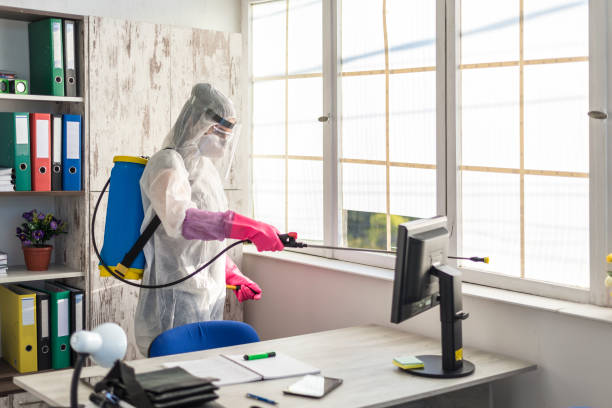
Limitations of DIY Pest Control
- Lack of Expertise: Without a deep understanding of pest behavior and biology, identifying the root cause of infestations can be challenging.
- Temporary Results: Many over-the-counter products treat symptoms rather than addressing the underlying problem, leading to reoccurring issues.
- Potential Safety Risks: Improper handling or application of pesticides can pose risks to household members, pets, and the environment.
For extensive infestations or when dealing with pests that carry serious health risks (e.g., termites or rodents), professional services are often more effective.
Benefits of Professional Pest Control Services
| Feature | Description |
| Comprehensive Inspection | Professionals perform detailed inspections to identify pests and entry points. |
| Targeted Solutions | Tailored treatment plans are created based on the type and severity of infestation. |
| Long-Term Prevention | Services often include preventative measures to minimize future invasions. |
| Expert Knowledge | Licensed technicians understand pest behavior and use strategies accordingly. |
In addition to offering effective treatments, professionals also use advanced equipment and regulated chemicals that may not be accessible for consumer use.
Choosing Between DIY vs Professional Solutions
- The size and scope of the infestation.
- The type(s) of pests involved.
- Your budget for pest management.
- Whether there are health concerns related to the pests.
For smaller issues like ant trails or a few spiders inside the house, a well-executed DIY approach may suffice. However, if you’re facing structural damage from termites or ongoing rodent activity that puts health at risk, professional assistance is likely necessary.
Both options have their place in maintaining a pest-free property; however, knowing when to escalate from DIY measures to expert help is essential for effective long-term results without compromising safety or comfort in your living space.
Recognizing the Health Risks Associated with Pest Infestations
Pest infestations are not just a nuisance; they pose serious health risks to you, your family, and even your pets. Understanding these risks is essential to taking appropriate action to eliminate pests from your home or property. Below, we delve into some of the most common health hazards associated with pest infestations.
Diseases Spread by Pests
| Pest | Diseases/Health Issues | Mode of Transmission |
| Rats & Mice | Hantavirus, Salmonella, Leptospirosis | Contaminated food/water, droppings |
| Cockroaches | Allergies, Asthma triggers, E. coli, Salmonella | Contaminated surfaces and airborne allergens |
| Mosquitoes | Malaria, West Nile Virus, Dengue Fever | Bites |
| Ticks | Lyme Disease, Rocky Mountain Spotted Fever | Bites |
| Fleas | Plague, Typhus | Bites |
| Bed Bugs | Allergic reactions (from bites), Insomnia | Direct bites |
Respiratory Issues Caused by Pests
- Cockroach Droppings and Shedded Skin: Cockroaches produce allergens that can exacerbate asthma symptoms and trigger allergic reactions.
- Rodent Urine and Droppings: Rodents leave behind waste that can dry up and become airborne. Inhaling it may cause respiratory illnesses like Hantavirus Pulmonary Syndrome (HPS).
- Dust Mites: While technically not “pests” in the traditional sense (since they’re microscopic arachnids), dust mites thrive in homes with poor pest management practices like excess humidity. They can cause allergic reactions or worsen asthma.
Food Contamination
- They contaminate food supplies with droppings, urine, or saliva.
- Pathogens carried by these pests may lead to foodborne illnesses like salmonellosis or E. coli infections.
To minimize risk: – Always store food in airtight containers. – Regularly clean kitchen surfaces where food is prepared.
Mental Health Impacts of Pest Infestations
Pest infestations can also take a toll on mental well-being: – Persistent infestations often lead to stress or anxiety about health risks and property damage. – Bed bug infestations specifically are linked to insomnia due to discomfort from bites.
Practical Steps to Protect Your Health from Pests
To mitigate these health risks: 1. Conduct routine home inspections for signs of infestation (e.g., droppings, nests). 2. Keep living areas clean by vacuuming regularly and taking out garbage promptly. 3. Seal entry points such as cracks or gaps around windows, doors, or pipes. 4. Hire professional pest control services if an infestation is beyond DIY control.
By addressing infestations early on and maintaining preventative habits year-round, you safeguard both your physical health and overall quality of life from the adverse effects caused by pests.
How to Choose the Right Pest Control Solution for Your Needs
Selecting the most effective pest control solution for your specific needs can be a challenging task. The decision depends on several factors, including the type of pests, the extent of the infestation, safety considerations, and your budget. Below is a detailed guide to help you navigate this process.
Assessing Your Pest Problem
Before choosing a pest control solution, it’s essential to assess the details of your pest problem:
– Identify the Pest: Determine what species you are dealing with. Common examples include rodents, cockroaches, termites, ants, or bed bugs. Each type of pest requires tailored solutions.
– Evaluate Infestation Level: Is it a minor issue localized in one area or a widespread infestation? Severe cases often require professional intervention.
– Consider Recurrence: Is this an isolated incident or part of an ongoing issue? Understanding patterns can influence long-term control strategies.
Factors to Consider When Selecting a Pest Control Solution
- Chemical Treatments: Often effective but can pose risks to humans, pets, and the environment if not used carefully. Suitable for severe infestations where immediate results are needed.
- Natural or Organic Solutions: Eco-friendly options that use natural repellents or biological methods such as introducing predators (e.g., ladybugs for aphid control). These are safer but may take longer to achieve results.
- Mechanical Methods: Techniques like traps and barriers work well for rodents and crawling pests with minimal chemical exposure.
- DIY Options: Over-the-counter sprays, traps, and baits are cost-effective for minor problems but may fall short on persistent infestations.
- Professional Services: Hiring licensed experts ensures thorough inspection, customized treatment plans, and prevention strategies—especially critical for termites or bed bug infestations.
- Safety Considerations Always prioritize solutions that comply with safety standards:
- Check product labels for toxicity levels.
- Ensure treatments align with household dynamics if pets or children are present.
- Confirm that professional services use environmentally responsible practices when required.
- Cost vs Long-Term Effectiveness While low-cost DIY treatments might appeal initially, they could prove expensive if infestations recur due to incomplete eradication:
| Treatment Type | Average Cost Range | Ideal For |
| DIY Sprays & Baits | $10–$50 | Minor insect issues |
| Professional Inspection & Spot Treatment | $150–$300 | Targeted small-scale infestations |
| Full-Service Extermination Packages | $400–$1,500+ | Severe or recurring infestations |
Questions to Ask Before Hiring Professionals
If opting for professional services is necessary: – Are they licensed and certified in pest management? – Do they offer guarantees on their work? – What follow-up measures will they provide? – Can they share references from past clients?
Preventative Measures Post-Treatment
Regardless of your chosen method: – Seal cracks and crevices around windows and doors. – Keep food stored in airtight containers. – Maintain cleanliness by removing indoor clutter where pests hide.
- Signs You Need to Call an Exterminator Kendall FL for Your Home or Business
- Signs You Need to Invest in Kendall FL Pest Control Services
- Essential Tips for Effective Kendall FL Pest Control in Maintaining a Healthy Home
- Clear Signs That Indicate You Need Kendall FL Pest Control Services
- Top Signs You Need an Exterminator Kendall FL for Your Home
- Effective Kendall FL Pest Control: Termite Prevention and Management Techniques
- Detecting Termite Infestations: Essential Tips for Kendall FL Pest Control
- Essential Signs You Need an Exterminator Kendall FL for Professional Pest Control Services
- Identifying Signs of Pest Infestation in Restaurants and How Kendall FL Pest Control Can Help