

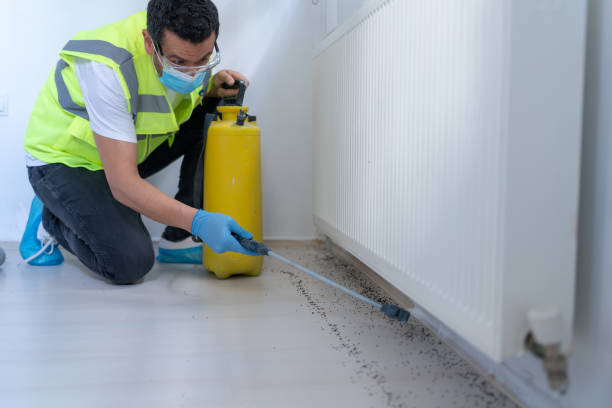
Termites are among the most destructive pests, capable of causing significant structural damage to properties if left untreated. Implementing effective termite control and prevention techniques is essential in safeguarding your home or business. Below, we explore comprehensive strategies for managing and preventing termite infestations.
Expert Insights into Termite Behavior and Lifecycle with Exterminator Kendall FL
Termites thrive in environments rich in cellulose, such as wood, paper, and vegetation. Their lifecycle includes eggs, nymphs, and mature adults organized into colonies with specific roles (workers, soldiers, and queens). Recognizing their habits—such as their preference for moisture-rich areas—is a cornerstone of effective control.
1. Chemical Treatments
Chemical treatments are highly effective against termites when applied correctly by professionals. Common chemical methods include:
– Liquid Soil Treatments: These involve applying termiticides around the foundation to create a protective barrier that repels or kills termites.
– Wood Treatments: Wood surfaces can be treated with insecticides or borate-based products to deter termite activity.
– Termite Baits: Bait stations contain slow-acting poison designed to be carried back to the colony, eventually eradicating it.
2. Non-Chemical Approaches
For those who prefer eco-friendly solutions:
– Heat Treatment: Exposing infested areas to high temperatures eliminates termites without chemicals.
– Cold Treatment: Freezing localized infestations can also be effective in some cases.
3. Biological Controls
Biological control methods involve introducing natural predators such as nematodes—microscopic organisms that attack termites without harming humans or pets.
Moisture Control
- Fix leaky pipes and drainage issues promptly.
- Maintain proper ventilation in crawl spaces.
- Ensure gutters and downspouts direct water away from your foundation.
Wood Management
- Store firewood at least 20 feet away from structures.
- Use treated wood for construction projects.
- Regularly inspect wooden structures for signs of damage or decay.
Structural Protection
- Seal all cracks and gaps around the foundation where termites could enter.
- Install physical barriers like stainless steel mesh or sand layers during construction as a long-term deterrent.
| Prevention Technique | Benefits | Best For |
| Moisture Control | Reduces conducive conditions | High-moisture areas |
| Treated Wood | Protects vulnerable structures | Decks, fences, framing |
| Physical Barriers | Long-lasting protection | New construction |
Identifying Early Signs of Infestations with Pest Control Services Kendall FL
To ensure prompt action against potential threats:
1. Look for mud tubes along foundations or walls—these are protective tunnels used by termites for travel.
2. Check wooden furniture and structural components for hollow sounds when tapped or visible mazes inside wood surfaces.
3. Watch out for discarded wings near windowsills; winged termites swarm during mating seasons.
Early detection coupled with professional intervention is vital in minimizing damage caused by these pests.
Leveraging these comprehensive techniques not only eliminates existing termite issues but also ensures long-term prevention measures are in place to protect your property effectively year-round.
Effective Methods for Eliminating Pests and Preventing Future Infestations
Pest problems can quickly escalate without proper intervention, making it essential to adopt effective strategies for both eliminating existing pests and preventing future infestations. Below is a comprehensive guide on proven methods to address pest concerns while safeguarding your property from recurring issues.
Identifying the Problem
- Droppings: Rodents, cockroaches, and other pests often leave droppings in areas they frequent.
- Damage to property: Chewed wires, gnawed furniture, or damaged food packaging may indicate an infestation.
- Unusual odors: A strong, unpleasant smell might suggest a buildup of pest waste or dead pests.
- Visible pests: Spotting live insects or rodents is often the clearest sign of an issue.
Accurately identifying the pest helps in selecting the most effective elimination technique.
Effective Pest Elimination Methods
- Insecticides and rodenticides are widely used for targeted pest elimination.
- Always follow label instructions to ensure proper usage and prevent harm to humans or pets.
- Snap traps or glue boards can be used for rodents and crawling insects.
- These methods are highly effective when dealing with smaller infestations.
- For eco-conscious homeowners, natural solutions such as diatomaceous earth or essential oils (like peppermint) can deter certain pests effectively.
- This approach works well against ants, spiders, and some flying insects.
- Hiring licensed professionals ensures thorough inspection and treatment using advanced tools.
- Experts provide tailored solutions for large-scale infestations that may be challenging to handle independently.
Preventing Future Infestations
| Area of Focus | Effective Measures |
| Sealing Entry Points | Inspect doors, windows, vents, and cracks; seal gaps with caulk or weatherstripping. |
| Proper Waste Management | Dispose of garbage promptly; use secure lids on trash bins to avoid attracting pests. |
| Food Storage Practices | Store food in airtight containers; clean up crumbs and spills immediately after meals. |
| Yard Maintenance | Trim overgrown vegetation; eliminate standing water sources where mosquitoes breed. |

By addressing these areas proactively, you reduce opportunities for pests to invade your property.
Monitoring for Recurrence
Even after eliminating an infestation, it’s crucial to monitor your home consistently for signs of recurrence. Consider setting up bait stations or routine inspections as part of your maintenance routine.
Regular vigilance combined with effective elimination techniques ensures a long-lasting defense against pests while minimizing health risks associated with infestations. Proper implementation of these methods will allow homeowners to maintain safe living spaces year-round without relying solely on reactive measures when problems arise.
Full Property Protection Against Common Household Pests
Ensuring full property protection against common household pests is essential for maintaining a healthy and safe living environment. Pests can cause structural damage, pose health risks, and disrupt daily life. Implementing a comprehensive pest management plan can safeguard your property from infestations while providing peace of mind.
Common Household Pests to Watch For
- Ants: Known for invading kitchens and food storage areas.
- Cockroaches: They can spread bacteria and allergens.
- Rodents: Rats and mice cause structural damage and can carry diseases.
- Termites: Responsible for significant structural damage to wooden elements in homes.
- Bed Bugs: Known for infesting sleeping areas and causing skin irritation.
- Spiders: While many are harmless, some species pose health risks.
- Mosquitoes: Carriers of diseases such as West Nile virus or dengue fever.
Identifying potential pest threats is the first step in creating a thorough prevention strategy.
Steps to Achieve Full Property Protection
- Conduct monthly walkthroughs of your property to identify signs of infestations such as droppings, gnawed wires, or visible nests.
- Pay attention to basements, attics, kitchens, and other areas prone to pest activity.
- Check for gaps around windows and doors; use weather stripping or caulk to seal them.
- Repair holes in walls or foundations that could allow pests access indoors.
- Install mesh screens on vents, chimneys, and drains.
- Keep food items stored in airtight containers.
- Regularly clean floors, countertops, and other surfaces where crumbs may accumulate.
- Dispose of garbage promptly using sealed trash bins.
- Fix leaks in pipes or faucets to prevent standing water that attracts pests like mosquitoes or cockroaches.
- Use dehumidifiers in damp areas such as basements.
- Trim tree branches that touch house exteriors to reduce pathways for ants or rodents.
- Remove yard debris (e.g., fallen leaves) where pests might hide.
- Keep firewood stored at least 20 feet away from the home’s foundation.
- Consider installing door sweeps under exterior doors to block crawling insects like ants or spiders from entering the home.
When Professional Help May Be Necessary
| Service | Benefits |
| Routine Inspections | Detect early signs of infestation before they become severe problems. |
| Targeted Treatments | Address specific pest types with tailored solutions based on their biology and behavior. |
| Long-Term Monitoring | Ensure continued protection with regular follow-ups and preventative measures. |
Seeking professional assistance ensures that your property remains protected while minimizing risks associated with improper pesticide use.
Benefits of Proactive Pest Control
- Prevents costly repairs caused by structural damage (e.g., termites).
- Reduces exposure to allergens carried by cockroaches or rodents.
- Minimizes stress associated with unexpected infestations.
By implementing these measures consistently, you can create an effective shield against common household pests while fostering a cleaner living space for you and your family.
Targeted Pest Control Solutions for Specific Infestation Problems
When dealing with pest infestations, a one-size-fits-all method often falls short. Different pests require tailored approaches to achieve effective and lasting control. Understanding the nature of specific pest problems is key to selecting targeted solutions that address the root of the issue while minimizing harm to your property and environment.
Identifying the Problem: The Foundation of Targeted Pest Control
- Rodents: Droppings, gnawed furniture or wires, and scratching noises in walls.
- Ants: Trails along surfaces leading to food sources, small mounds near cracks or entry points.
- Cockroaches: Shedding skin or egg cases in dark corners, foul odors, or sightings during nighttime.
- Bed Bugs: Tiny bloodstains on sheets, itchy red bites on humans, and small rust-colored spots on furniture joints.
- Termites: Mud tubes along walls or foundations, hollow-sounding wood structures, and discarded wings near windowsills.
Proper identification enables homeowners and professionals to tailor solutions that work best for each pest species.
Specific Targeted Solutions for Common Pests
- Seal cracks and gaps using steel wool or caulking to prevent entry points.
- Use bait stations strategically rather than relying solely on traps in open areas.
- Maintain cleanliness by storing food in sealed containers and promptly removing waste.
- Utilize ant baits containing slow-acting insecticides; these allow worker ants to carry poison back to their colonies.
- Identify nesting sites and treat them directly with appropriate insecticides or natural repellents like diatomaceous earth.
- Remove food particles from countertops and floors regularly.
- Apply gel baits in crevices where roaches hide (e.g., behind appliances). These gels attract cockroaches while delivering poison directly into their nests.
- Use sticky traps for monitoring their activity levels post-treatment.
- Reduce humidity levels indoors using dehumidifiers since cockroaches thrive in moist environments.
- Install baiting systems around your property perimeter to slowly eradicate termite colonies over time.
- Treat wood structures with borate-based products for long-term protection.
- Schedule professional inspections annually to catch early signs of infestation before significant damage occurs.
- Wash all affected bedding and clothing at high temperatures (over 120°F).
- Encase mattresses with bed bug-proof covers designed specifically for containment.
- Vacuum regularly around furniture seams where bed bugs commonly hide.
Comparing General vs Targeted Approaches
| Aspect | General Pest Control | Targeted Pest Control |
| Approach | Broad-spectrum techniques | Customized methods per pest species |
| Effectiveness | May miss specific infestations | Directly addresses unique behaviors |
| Environmental Impact | Potential overuse of chemicals | Focuses treatments only where needed |
| Cost | Often less expensive upfront | Saves money long-term via accuracy |
Benefits of Choosing Tailored Solutions
Choosing targeted solutions offers several advantages compared to generic approaches: – Reduces risks associated with ineffective treatments. – Minimizes unnecessary exposure to chemicals around your living space. – Provides faster resolution by focusing efforts where they matter most.
By addressing each problem uniquely—whether it’s ants invading your pantry or termites threatening structural integrity—targeted pest control ensures precise intervention that protects both your property and peace of mind effectively over time.
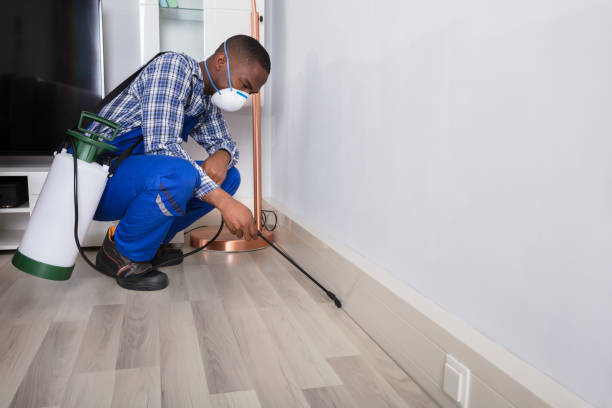
Understanding the Pest Library: Identifying and Addressing Common Pests
A critical step in effective pest control is understanding the types of pests that may invade a property. By identifying the specific pest, homeowners and businesses can take targeted action to address the issue swiftly and efficiently. Below, we explore common pests, their characteristics, and how to manage them.
Common Household Pests and Their Characteristics
- Appearance: Small-bodied insects with segmented waists; colors vary from black to brown or red.
- Behavior: Often seen foraging for food in kitchens or pantries. Many species form large colonies.
- Eliminate food sources by sealing containers and cleaning spills promptly.
- Use bait traps designed specifically for ant species.
- Seal cracks and crevices around windows, doors, and foundations.
- Appearance: Flat bodies ranging from light brown to deep black; long antennae; some species have wings.
- Behavior: Nocturnal pests that thrive in warm, humid environments like kitchens or bathrooms. They are known carriers of harmful pathogens.
- Maintain cleanliness by removing food debris and addressing water leaks.
- Use gel baits or insect growth regulators (IGRs) to disrupt reproduction.
- Regularly inspect areas behind appliances and within cabinetry.
- Appearance: Small mammals with sharp teeth, long tails, and rounded ears (mice are smaller than rats).
- Behavior: Known for gnawing on materials like wood or wiring; they contaminate surfaces with droppings.
- Set snap traps or live traps in areas of activity.
- Store food in secure containers made of glass or metal.
- Seal entry points larger than 1/4 inch using steel wool or caulk.
- Appearance: Eight-legged arachnids with a range of sizes and colors; some species build webs while others hunt actively.
- Behavior: Typically non-aggressive but may create unsightly webs indoors; a few species pose venomous risks (e.g., black widow).
- Remove webs regularly using vacuum cleaners or brooms.
- Reduce clutter indoors where spiders may hide.
- Apply residual insecticides along baseboards and corners if necessary.
- Appearance: Pale-bodied insects that resemble ants but lack segmented waists; often hidden within wood structures.
- Behavior: Feed on cellulose-based materials like wood, drywall paper, or insulation; cause significant structural damage over time.
- Control Measures: | DIY Approach | Professional Solutions | |—————|————————| | Apply liquid barriers around home’s foundation | Schedule termiticide application | | Install bait stations | Request structural fumigation for severe cases |
- Bed bugs, similar formatting etc.
Tips for Identifying Pests Accurately
- Look for droppings/traces & use trap cameras
Exploring the Key Differences in Professional Pest Control Services
When it comes to managing pest infestations, homeowners and businesses are often faced with a choice between professional pest control services. However, not all pest control companies operate in the same way or provide identical services. Understanding these differences can help property owners make informed decisions and ensure they receive quality service tailored to their specific needs.
1. Type of Treatment Methods Used
- Chemical Treatments: Many providers use synthetic pesticides to address infestations. These treatments are often fast-acting but may not always align with environmentally conscious preferences.
- Eco-Friendly Solutions: Environmentally focused companies specialize in organic or natural remedies that minimize harm to ecosystems, pets, and humans while effectively targeting pests.
- Integrated Pest Management (IPM): Some professional services utilize IPM approaches, which combine prevention, monitoring, and targeted interventions. This method focuses on sustainable pest management rather than repeated chemical applications.
| Treatment Type | Description | Ideal For |
| Chemical Treatments | Synthetic pesticides for quick action | Severe or stubborn infestations |
| Eco-Friendly Solutions | Natural remedies with minimal impact | Eco-conscious households |
| Integrated Pest Management (IPM) | Sustainable, preventative approach | Long-term pest solutions |
2. Service Customization Options
- One-Size-Fits-All Packages: Many companies offer standardized packages that may be cost-effective but lack flexibility for unique situations.
- Tailored Plans: Reputable companies prioritize comprehensive inspections before recommending customized treatments based on property type, location, and infestation severity.
- Seasonal Adjustments: Some services account for seasonal pest trends by adapting strategies throughout the year.
3. Expertise and Training of Technicians
- Certification Levels: Technicians from licensed and certified companies often possess advanced knowledge about pests and chemical safety regulations.
- Specialization: Certain providers employ specialists skilled in handling specific pests such as termites, rodents, or bed bugs.
- Ongoing Education: Leading firms emphasize continuous training to ensure technicians remain updated on modern practices.
4. Guarantees and Follow-Up Services
- Satisfaction Guarantees: Some offer warranties or guarantees ensuring a return visit if pests persist within a specified timeframe.
- Follow-Up Visits: Companies providing ongoing support through scheduled follow-ups reduce the likelihood of re-infestation.
- No Follow-Up Policies: Budget options may exclude post-treatment visits altogether.
5. Pricing Structures
| Pricing Model | Description | Notes |
| One-Time Service Fee | Single payment for treatment | Often used for isolated issues |
| Subscription Models | Regular billing for ongoing care | Ideal for businesses requiring year-round control |
| Pay-As-You-Go | Charges based on visits | Flexible but potentially costlier over time |
When evaluating options for professional pest management, considering these factors ensures property owners select services aligned with their goals while optimizing results over time.
- Signs You Need to Call an Exterminator Kendall FL for Your Home or Business
- Signs You Need to Invest in Kendall FL Pest Control Services
- Essential Tips for Effective Kendall FL Pest Control in Maintaining a Healthy Home
- Clear Signs That Indicate You Need Kendall FL Pest Control Services
- Top Signs You Need an Exterminator Kendall FL for Your Home
- Effective Kendall FL Pest Control: Termite Prevention and Management Techniques
- Detecting Termite Infestations: Essential Tips for Kendall FL Pest Control
- Essential Signs You Need an Exterminator Kendall FL for Professional Pest Control Services
- Identifying Signs of Pest Infestation in Restaurants and How Kendall FL Pest Control Can Help