

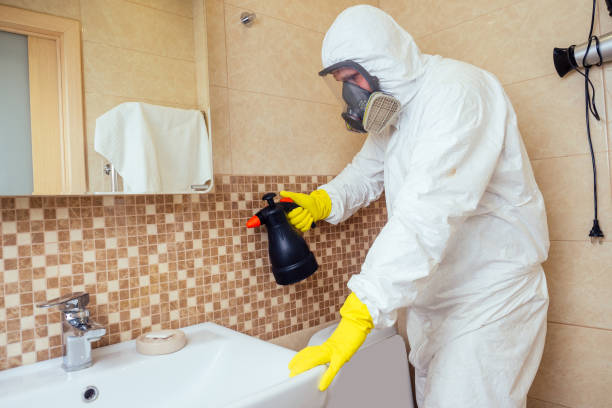
Pests can cause significant damage to property, spread diseases, and create an uncomfortable living environment. While some infestations may seem manageable at first, there are clear indications that professional pest control services are necessary. Identifying these signs early can save you time, money, and stress.
Occasional sightings might not always indicate a major problem, but frequent encounters suggest the need for expert intervention.
– Rodent droppings are pellet-shaped and dark in color.
– Insect droppings, such as those from cockroaches, resemble coffee grounds or black pepper granules.
Pests often leave signs of destruction on furniture, walls, wiring, and other materials:
– Chewed wires may indicate a rodent issue (which can also pose fire hazards).
– Gnawed wood could point to termites or carpenter ants.
– Holes in fabric or paper items could indicate silverfish infestation.
If you notice any of these forms of damage without explanation, it’s time for professional help.
Cockroach infestations often have a musty smell due to their secretions.
Hearing scratching sounds in walls at night? This may be due to rodents like mice or rats scurrying within your walls or ceiling spaces while foraging for food and nesting materials.
| Noise Source | Possible Culprit | Common Areas |
| Scratching noises | Rodents | Walls/ceilings |
| Buzzing sounds | Wasps/bees | Near windows/attics |
| Clicking/crackling | Termites | Wood furniture/foundations |
Pests often exploit small gaps in your property’s structure to gain entry and nest inside:
– Termites weaken wood structures by tunneling through them over time. – Mice and rats create holes near walls or flooring as they burrow for shelter.
Inspect areas like window frames and doorways regularly for signs of tampering by pests.
If you’ve attempted multiple do-it-yourself pest control methods without success—such as traps or sprays—it might indicate that the infestation is beyond your control level and requires professional-grade solutions only offered by licensed experts.
Why Call a Professional?
Hiring pest control specialists provides several advantages: 1) Accurate Identification:Professionals can pinpoint the type of pest involved based on evidence provided.Customized Treatment Plans:Experts tailor solutions per species type/severity/location-specific factors.Prevention Measures:They advise robust prevention techniques after eradication stages ensuring long-term relief/reductions risks altogether .
By recognizing clear early symptoms noted above-working w/trusted service provider promptly ensures safe environments restored effectively avoiding costly losses/damages ongoing untreated .
Effective Tips from an Exterminator Kendall FL to Identify and Address Common Wood Damage from Pests
Identifying the early signs of pest-related wood damage is crucial to preventing severe infestations. Below, we explore the common culprits behind wood damage, how to identify their presence, and steps you can take to mitigate the problem.
Common Pests Responsible for Wood Damage
Different pests target wood for various reasons, including food sources or shelter.
- Termites: Often referred to as “silent destroyers,” termites feed on cellulose found in wood. Subterranean termites are particularly notorious for causing significant structural damage over time.
- Carpenter Ants: Unlike termites, carpenter ants do not eat wood but burrow into it to build their nests.
- Powderpost Beetles: These beetles lay eggs in untreated wood; when larvae hatch, they tunnel through the material, leaving a fine powder-like residue.
- Wood-Boring Beetles: These insects create small circular holes as they exit the wood after feeding.
- Fungi (Dry Rot): While not an insect pest, fungi can also cause significant weakening of wooden structures through moisture-related decay.
Signs of Pest-Related Wood Damage
Detecting early indicators of pest activity is vital for preventing costly repairs.
- Hollow-Sounding Wood: Tap on wooden surfaces—if they sound hollow or papery, termites may have tunneled through them.
- Mud Tubes or Galleries: Termites often build mud tubes along walls or foundations as entry points into your home.
- Frass (Wood Dust): Carpenter ants and powderpost beetles leave sawdust-like debris near their nesting or feeding areas.
- Visible Holes or Tunnels: Small holes in wooden furniture or beams indicate boring insects such as beetles.
- Warped or Swollen Wood: Moisture buildup caused by pests like fungi can warp wooden structures.
- Clicking Noises Within Walls: Termites often make faint clicking sounds when feeding.
Steps to Address Wood Damage
- Examine droppings, tunnels, and other evidence left behind.
- Use a flashlight to inspect dark spaces like attics and crawlspaces where pests thrive.
- Pest experts use tools like thermal imaging cameras and moisture meters to locate hidden infestations effectively.
- Remove compromised wooden materials that cannot be salvaged.
- Treat remaining structures with pesticide solutions designed for specific pests.
- Store firewood away from your home’s foundation (at least 20 feet) to deter termites and ants.
- Seal cracks and crevices around windowsills and doors where pests might enter.
- Reduce excess moisture by repairing leaks and ensuring proper ventilation.
Table: Quick Comparison of Pests Causing Wood Damage
| Pest Type | Main Cause of Damage | Evidence Found | Treatment Options |
| Termites | Feeding on cellulose | Mud tubes; hollow-sounding wood | Professional fumigation |
| Carpenter Ants | Nest building | Frass; damaged galleries | Targeted bait traps |
| Powderpost Beetles | Larval tunneling | Fine powder near holes | Insecticide sprays |
| Fungi (Dry Rot) | Moisture decay | Warped/discolored wood | Fungicide application |
Addressing pest-related wood damage promptly can save you both time and money while preserving the structural integrity of your home. By staying vigilant about early signs of infestation and seeking professional advice when necessary, you can protect your property from long-term harm caused by these destructive invaders.
Effective Pest Removal Kendall FL: Say Goodbye to Unexplained Bug Bites
Unexplained bug bites can be frustrating and concerning, especially when you’re unsure of the source. Identifying their cause is crucial for addressing the issue effectively. Below, we’ll explore the potential reasons behind unexplained bug bites and how professional pest control services can provide solutions.
Common Causes of Unexplained Bug Bites
- Bed bugs are a common culprit for mysterious bite marks on the skin. These tiny pests are nocturnal and often hide in mattresses, furniture seams, and cracks in walls during the day.
- Bites typically appear as small red welts, often in clusters or lines on exposed areas of skin.
- Fleas are commonly associated with pets but can also affect humans. They tend to target lower extremities such as ankles or legs, leaving itchy red dots behind.
- Flea infestations often occur in households with pets or when wild animals like rodents enter living spaces.
- While mosquitoes are usually noticeable when they bite, their activity indoors may go unnoticed at night. Persistent bites could indicate an infestation near your home or stagnant water present nearby.
- Some mites, including dust mites or bird mites, can cause irritation and itching on human skin despite being difficult to see with the naked eye.
- Spider bites may appear as localized swelling or redness but typically occur less frequently than bites from other pests mentioned above.
When to Suspect a Pest Infestation
- Presence of live insects or visible signs such as exoskeletons or eggshells.
- Bloodstains or dark spots on bedding (commonly caused by bed bugs).
- Increased itching during nighttime hours.
- Pets displaying discomfort due to fleas or other parasites.
- Mysterious itching that persists even after cleaning your living space thoroughly.
How Pest Control Services Can Help
- Inspection and Identification
Expert technicians conduct thorough inspections to identify the type of pest causing issues and locate hidden infestation points. - Customized Treatment Plans
Depending on the pest type and severity of infestation, professionals develop tailored treatment strategies that may include chemical sprays, traps, heat treatments (for bed bugs), or integrated pest management techniques for long-term prevention. - Guidance on Preventive Measures
Professionals offer advice on minimizing recurrence through simple practices such as sealing cracks/crevices around doors/windows; regular vacuuming; proper food storage; maintaining clean bedding materials etc. , depending upon specific pest behavior patterns identified earlier during inspections/treatments conducted accordingly!
When to Call a Pest Control Company Kendall FL for Infestation Signs
Pest infestations often go unnoticed until significant damage has occurred. Identifying these indicators early can help mitigate potential harm to your property, belongings, and health. Below, we will discuss how to recognize key signs of infestation and when it’s time to seek professional pest control services.
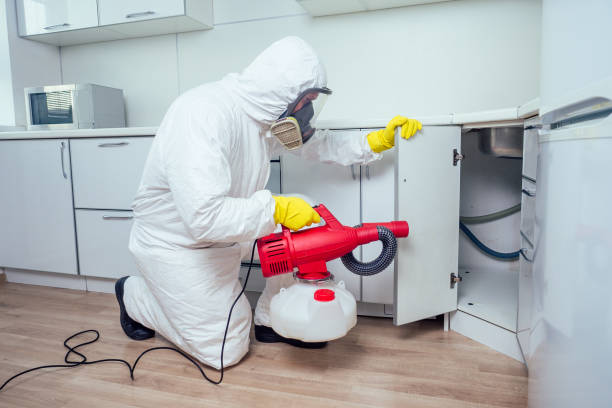
Common Droppings and Traces Left by Pests
Different pests leave unique evidence that can help identify their presence.
| Pest | Droppings Characteristics | Other Signs |
| Rodents (rats/mice) | Small, dark pellets resembling grains of rice | Chewed wires, gnaw marks on wood/furniture |
| Cockroaches | Small black specks resembling coffee grounds | Musty odor, shed skins |
| Termites | Light-colored frass (resembles wood dust or pellets) | Hollow-sounding wood, mud tubes |
| Bed Bugs | Rusty or reddish stains on bedsheets/mattresses | Shed skins near mattress seams |
| Ants | Tiny black droppings near food sources | Visible ant trails |
By understanding these details, you’ll be better equipped to identify the pest causing the problem.
Where to Look for Droppings and Infestation Traces
Pests typically hide in areas where they feel safe from human activity while having access to food and water.
- Kitchen:Check under sinks, behind appliances (refrigerators/stoves), in cabinets, or near food storage areas.
- Bathrooms:Inspect around pipes, drains, and damp corners that may attract pests like cockroaches or silverfish.
- Basements/Attics:Look for droppings near insulation materials or exposed wooden beams that could attract termites or rodents.
- Furniture/Bedrooms:Examine mattresses, bed frames, cushions for bed bugs or droppings near cracks/crevices.
- Outdoor Areas:Check gardens for damaged plants and soil disturbances caused by burrowing pests.
Regularly inspecting these spaces helps you stay ahead of infestations before they worsen.
When Should You Call Pest Control Experts?
- Consistent Evidence Over Time:Finding recurring signs like new droppings daily indicates an active infestation requiring expert intervention.
- Large Quantities of Droppings:Excessive evidence could mean a rapidly growing pest population beyond DIY control.
- Health Risks Present:If pests such as rodents are contaminating food areas or cockroaches are triggering allergies/asthma symptoms in your household.
- Structural Damage Observed:Termite frass combined with hollow wood is a clear sign you need immediate assistance.
- Failed DIY Efforts:If traps or over-the-counter treatments aren’t working effectively after repeated use.
Professional pest control companies have specialized tools and expertise designed to address infestations at their source while ensuring long-term prevention.
Preventing Future Infestations
- Seal cracks in walls/windows where pests might enter your home.
- Store food in airtight containers and maintain cleanliness in dining/kitchen areas.
- Eliminate standing water sources inside/outside your property.
- Conduct regular inspections for new signs of infestation.
Recognizing pest evidence early not only reduces costly damage but also protects your family’s health from potential risks associated with prolonged exposure to infestations.
Top Pest Control Services Kendall FL to Safeguard Your Garden Plants from Damaging Pests
Maintaining a healthy garden requires more than watering and fertilization; it also means safeguarding your plants from harmful pests. While some insects are beneficial, others can cause extensive damage to your garden if left unchecked. Below are effective strategies for keeping damaging pests at bay and ensuring your plants thrive.
Identify Common Garden Pests
The first step in protecting your garden is recognizing the culprits behind plant damage.
- Aphids:Small insects that suck sap, causing yellowing leaves and stunted growth.
- Caterpillars:Leaf-eating larvae that can defoliate plants rapidly.
- Whiteflies:Tiny white-winged insects that feed on sap and spread diseases.
- Slugs and Snails:Mollusks that chew holes in foliage, especially tender leaves.
- Japanese Beetles:Metallic green beetles that skeletonize leaves.
Knowing the type of pest affecting your plants allows you to tailor your control methods effectively.
Preventative Measures for Pest Control
Prevention is the most sustainable approach to pest management. By fostering a healthy environment, you can significantly reduce the likelihood of infestations.
- Water regularly but avoid overwatering to prevent root rot and fungal issues.
- Use nutrient-rich soil to support strong plant growth, which makes them less susceptible to pests.
- Attract beneficial insects such as ladybugs, lacewings, and spiders by planting nectar-rich flowers like marigolds or daisies.
- Birds are natural pest controllers; consider adding bird feeders or nesting boxes near your garden.
- Rotating crops each season prevents pests from establishing long-term colonies in one specific area of your garden.
- Certain plants repel pests naturally when grown together.
Organic Pest Control Methods
Avoiding chemical pesticides helps protect beneficial insects and keeps your garden eco-friendly.
- Homemade Sprays:Mix water with dish soap or neem oil to create an organic spray that deters soft-bodied insects like aphids.
- Diatomaceous Earth:Sprinkle this natural powder around the base of plants to deter slugs, snails, and crawling bugs.
- Mulching with Straw or Wood Chips:Reduces access points for pests while retaining soil moisture.
When Chemical Intervention Becomes Necessary
- Choose pesticides labeled safe for edible plants if you’re growing fruits or vegetables.
- Apply chemicals during early morning or late evening hours to minimize harm to pollinators like bees.
- Always follow manufacturer instructions carefully to avoid overuse or environmental harm.
Maintaining Long-Term Pest Control
- Regularly inspect plants for signs of infestation such as chewed leaves, droppings, or wilting stems.
- Remove weeds promptly as they often harbor pests.
- Prune affected areas immediately upon noticing damage to prevent further spread.
By combining prevention techniques with targeted interventions when necessary, you can create a balanced ecosystem where harmful pests are kept under control without compromising the health of your garden’s flora and fauna.
- Signs You Need to Call an Exterminator Kendall FL for Your Home or Business
- Signs You Need to Invest in Kendall FL Pest Control Services
- Essential Tips for Effective Kendall FL Pest Control in Maintaining a Healthy Home
- Clear Signs That Indicate You Need Kendall FL Pest Control Services
- Top Signs You Need an Exterminator Kendall FL for Your Home
- Effective Kendall FL Pest Control: Termite Prevention and Management Techniques
- Detecting Termite Infestations: Essential Tips for Kendall FL Pest Control
- Essential Signs You Need an Exterminator Kendall FL for Professional Pest Control Services
- Identifying Signs of Pest Infestation in Restaurants and How Kendall FL Pest Control Can Help